
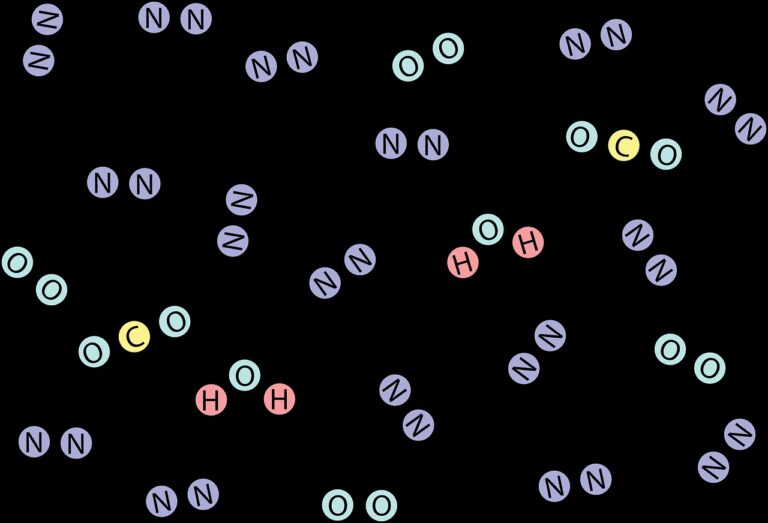
Internal energy is the total energy stored within a material or a system. This energy can take many forms, such as the energy of the particles that make up the material, the energy of its chemical bonds, or the energy of its thermal motion.
For example, if you heat up a pot of water on the stove, the internal energy of the water increases as its temperature rises. The water molecules move faster and collide more frequently, which causes the water to boil and turn into steam. Similarly, when you eat food, your body uses the internal energy stored in the food to provide energy for your cells to carry out various functions.
Internal energy is an important concept in thermodynamics, the study of heat and energy transfer, because it helps us understand how energy is stored, transferred, and transformed in different materials and systems.